Darren Aronofsky
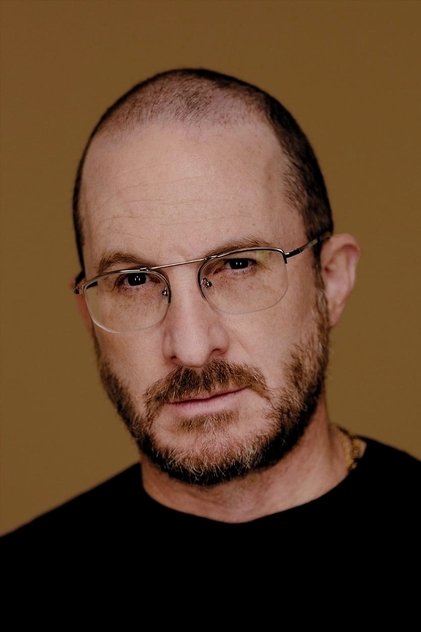
Darren Aronofsky (born February 12, 1969) is an American filmmaker. His films are noted for their surreal, melodramatic, and often disturbing elements, frequently in the form of psychological fiction. Over his career, he has received a Primetime Emmy Award. He has been nominated for several awards including an Academy Award, a BAFTA Award, and a Golden Globe Award. Aronofsky studied film and social anthropology at Harvard University before studying directing at the AFI Conservatory. After completing his senior thesis film, Supermarket Sweep, he won several film awards, becoming a National Student Academy Award finalist. In 1997, he founded the film and TV production company Protozoa Pictures. His feature film debut, the surrealist psychological thriller Pi (1998), earned him the Directing Award at the Sundance Film Festival and an Independent Spirit Award for Best First Screenplay. Aronofsky then directed the psychological drama Requiem for a Dream (2000), the romantic fantasy sci-fi drama The Fountain (2006), and the sports drama The Wrestler (2008), the latter of which earned the Golden Lion at the Venice Film Festival. He directed the psychological drama Black Swan(2010), earning him the Best Director. His later films include the biblical epic Noah (2014), the psychological horror film Mother! (2017) and the drama The Whale (2022). Aronofsky's film Postcard from Earth (2023) was produced and filmed exclusively for the Sphere in the Las Vegas Valley on its 16K resolution screen. Description above from the Wikipedia article Darren Aronofsky, licensed under CC-BY-SA, full list of contributors on Wikipedia.
| Known for | Directing |
|---|---|
| Born | 12 Feb 1969 |
| Place of birth | Brooklyn, New York City, New York, USA |
Favorite films
-
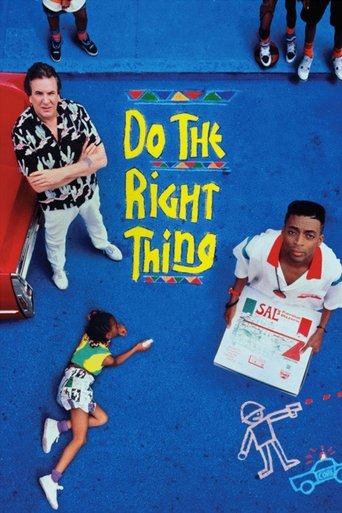
You forget that there was this fairytale element to Do the Right Thing, as well as total realism. When you look at that, it’s hard to believe that it was shot in a real location. … Race relations were really boiling over, and Spike Lee completely tapped into what was in everyone’s head every time you got on the subway, every time you walked down the street. He just made it a timeless tale.
-
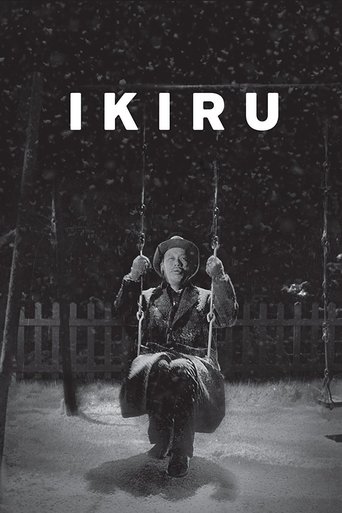
There’s another really amazing use of sound design by Kurosawa in the film Ikiru. The man is just finding out that he has terminal cancer. Kurosawa had the idea that you’re so lost in your own head, that you’re completely cut off from the environment. … All the visual cues he used from the background, from the welding arc, it was just brilliant. Kurosawa went directly to no noise, so there’s actually nothing in the soundtrack there.
-
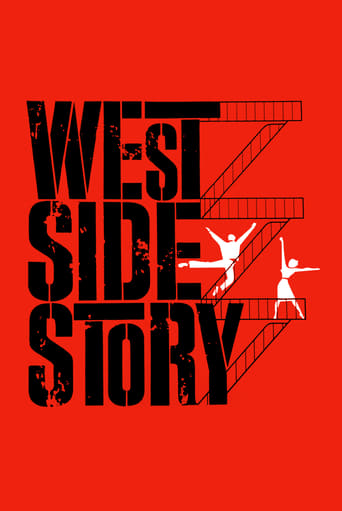
…I wanted to definitely choose a piece from my favorite musical, West Side Story. It was really hard, because every number in this musical is incredible. They’re all perfect. … I love that the sets are so realistic, and there is such a striving for this realism, even though they’re dancing and singing.
-
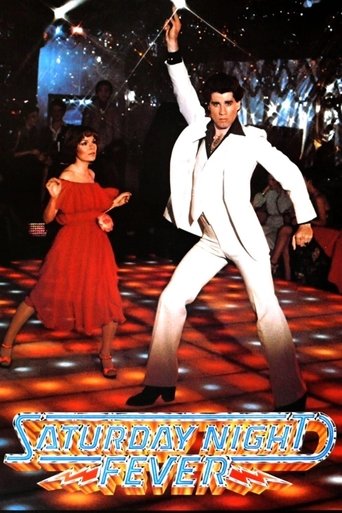
It’s so easy to forget how good of a movie Saturday Night Fever is. … I think as far as a film sequence, technically it does so much from the opening title. It starts off in silence and the natural sounds of those aerial shots pulling out of Manhattan, to geographically set you up, and then establishing the characters so quickly. That type of efficiency is just great, great filmmaking.
-
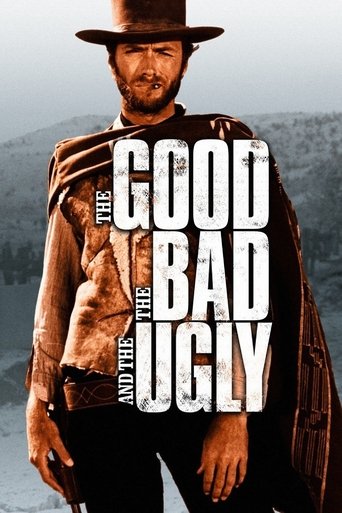
There’s this great moment by Eli Wallach, where he lets go of the pain, wraps himself in his poncho, and takes a breath, and Morricone kicks in with maybe the greatest melody ever written for film music. … With this film, Leone makes opera. There’s that great scene later on, when the ugly is searching for the tombstone, and the camera’s spinning, chasing him. It’s no longer just cinema, it’s become operatic.
-
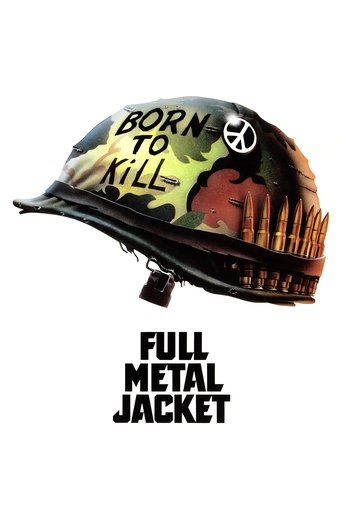
The first half of Full Metal Jacket is all about order, and turning these human beings into machines, but there’s this one piece of chaos, which is this overweight soldier, who is just slowly picked on until he eventually explodes. … They’re in this destroyed landscape, yet they’re perfectly ordered in a grid, singing the great theme song of America, trying to stamp this grid across chaos. It’s this idea, through music, that completely sells the whole point of the film.
-
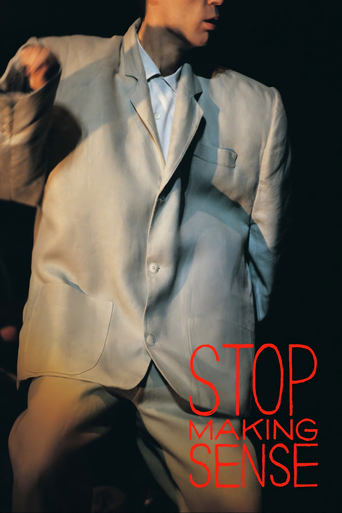
If you remember, he comes out in the opening scene alone with a boom box and sets it down, and you see the back of the stage, and it’s just a bare stage with him and a microphone and an acoustic guitar. By the end, you have these huge numbers with a 15, 20-piece band, backup singers and fully electrical. The way Demme decided to shoot it, and how he captured it, was perfect, because he’s hinting at it. That, for me, is the great thing: When the camera is pushing the story forward, and working so well with the music.